


Wheeled Mobility Devices: Ensuring Safe Use and Transfers
Wheeled mobility devices, including manual wheelchairs, power wheelchairs, and mobility scooters, are essential assistive devices that provide individuals with increased independence and mobility. However, many people are not properly instructed on the best practices...
Understanding Dementia: The Importance of Proper Diagnosis and Care
Dementia is a broad term used to describe a decline in cognitive function, but it is not a disease itself—rather, it is a symptom of an underlying condition. With the many different types of dementia, a generalized diagnosis is not enough. Identifying the specific...
Senior Health Care in Sarasota, Manatee, Charlotte, Collier, and Lee Counties
Cheers to 2020! You may have just returned home from the holidays with your loved ones. While everything may have seemed fine on the surface, you might have noticed small signs that indicate your aging family member may need extra support. Is their home less tidy than...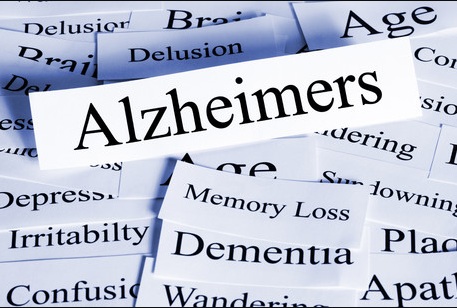
Dementia Alzheimer
It is estimated that approximately 50-60% of the dementia population has Alzheimer’s. According to the National Institute of Aging, Alzheimer’s is identified as the fourth leading cause of death among the elderly. The highest risk factors associated with Alzheimer’s...