By Francesca Alonso Tubbs, M.S., CCC-SLP
Reviewed: September 2026
If you’ve spent any time searching for care options for your parent or spouse in Venice, you’ve probably run into something confusing: the terms “home care” and “home health care” get used almost interchangeably online, even though they mean two very different things. That mix-up can send you down the wrong path, calling agencies that don’t offer what your loved one’s situation actually calls for, or skipping past the exact type of support that would help the most. We work with families across Sarasota County every week who start unsure which category fits their situation, so here’s what each term really means.
What Home Care Actually Covers
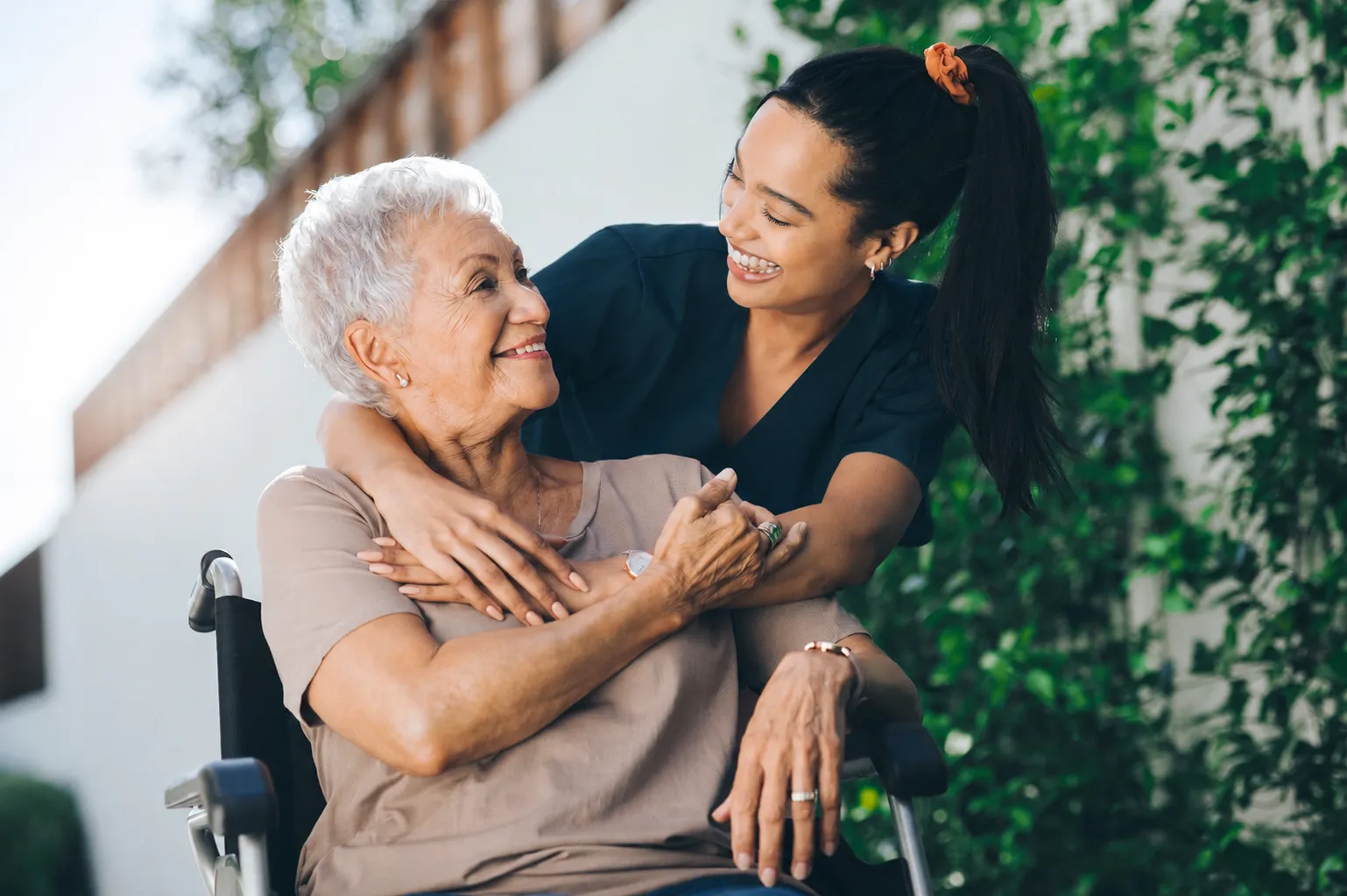
Home care, sometimes called in-home care or a home care service, is non-medical support that helps someone stay safely and comfortably at home. It’s the category our team at Perfect Solutions for Seniors works in every day.
A caregiver or home health aide from our care team can help with:
- Personal care: Bathing, dressing, and grooming assistance from a trained, certified caregiver.
- Companionship: Conversation, hobbies, and social engagement that ease isolation.
- Meal preparation: Planning and cooking meals around your loved one’s preferences.
- Light housekeeping: Laundry, tidying, and keeping the home safe to move around in.
- Medication reminders: Gentle, non-medical prompts to take medication on schedule.
- Errands and transportation: Rides to appointments, grocery runs, and other errands.
- Respite care: Short-term relief for family caregivers who need a break.
None of this requires a doctor’s order. Most families start with just a few hours a week and adjust the personalized care plan as needs change.
What Home Health Care Typically Means
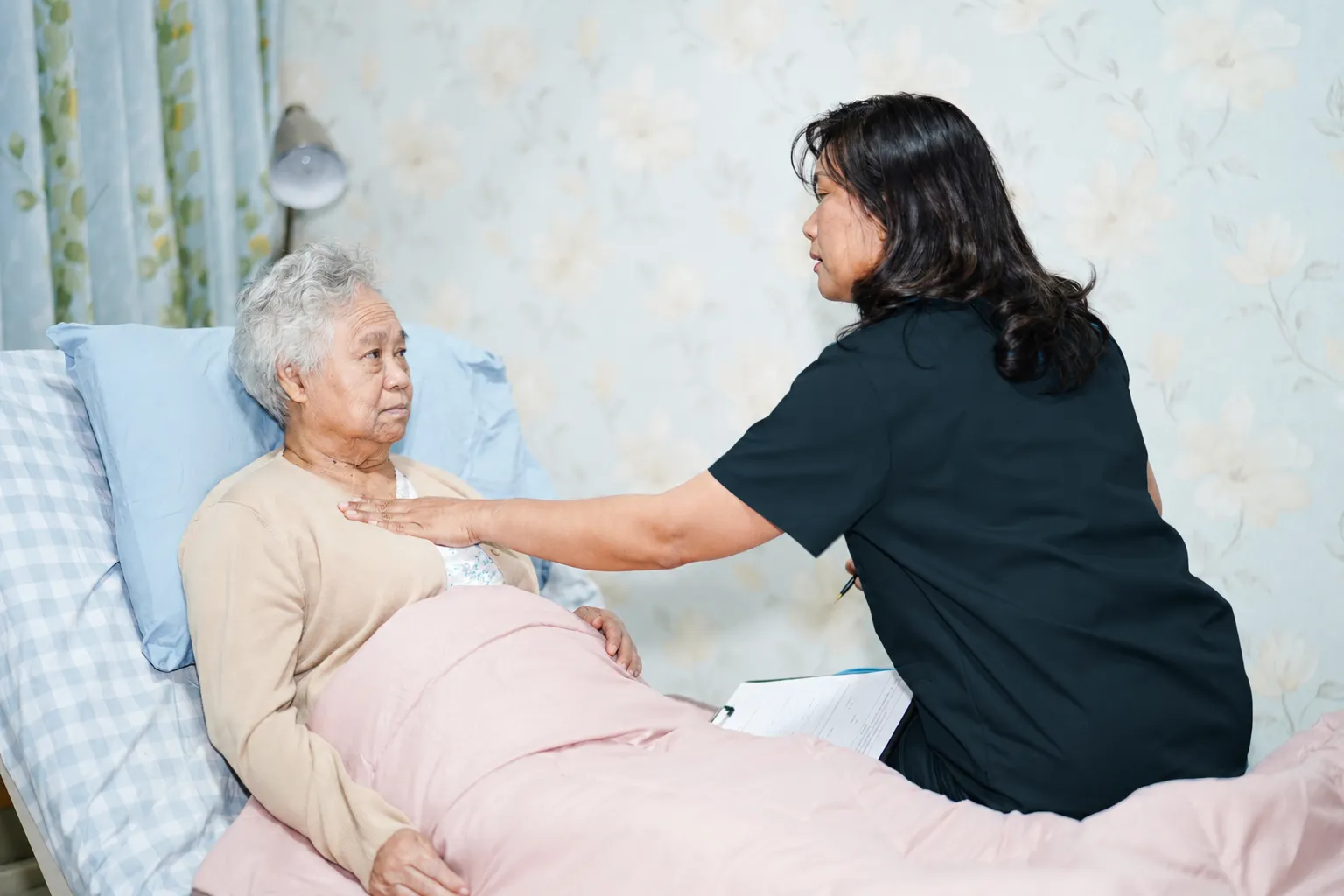
Home health care is a different category, and this is where most of the confusion starts. The real difference between home care and home health care comes down to who provides it and why. Home health care is medical: skilled nursing, physical or occupational therapy, wound care, or other services ordered by a physician, usually following a hospital stay or during treatment for a specific health condition. Licensed nurses or therapists deliver it, and it ends when the clinical need does. Home care doesn’t require a diagnosis or referral. It starts whenever a family recognizes their loved one could use help with daily activities and staying independent.
If your loved one has a chronic health condition that requires skilled nursing, or is receiving hospice care, that falls under home health care or hospice, not what we provide. That’s a fair thing to ask any agency you’re comparing, and a good one will tell you plainly which category they fall into.
How to Tell Which One Your Family Needs
- Recovering from surgery or a hospital stay: Home health care usually handles wound checks, therapy, and nursing needs first.
- Managing daily tasks alone: Home care fills the gap when bathing, meals, or getting around the house have become difficult.
- Living with dementia: Our caregivers are experienced with dementia and bring the patience and consistency it takes.
- Needing both at once: Some families use home health care for a period of nursing or therapy, then bring in a home care service for the daily support that continues afterward.
- Wanting company more than anything else: Sometimes the need isn’t medical at all; it’s companionship.
We’ve worked alongside home health agencies more than once, stepping in for the personal care and companionship side once the clinical visits wrap up. It’s a common handoff, not an either-or decision.
Why Venice Families Choose Our Home Care Team
Trust matters more here than almost anywhere else, because you’re inviting someone into your parent’s home and daily life.
That’s the reason our hiring process looks the way it does:
- In-depth orientation: Every caregiver learns our care philosophy before entering a home.
- Reference checks: We verify experience and reliability with previous employers.
- Background checks: We require a full criminal background screening for every caregiver.
- Personalized planning: We build your loved one’s care around their actual routine, not a generic template.
We’re licensed, bonded, and insured, and our care team has spent years learning how to make home-based independence work for families across Sarasota County, Venice included. If you’re still sorting out which type of support fits your situation, we’re happy to talk it through with you- no pressure, just a straight answer about what your loved one actually needs.
Call us today to book a FREE consultation!
Frequently Asked Questions
1. Can we switch from home health care to home care once therapy ends?
Yes, it’s a common transition. Once nursing or therapy ends, home care steps in to provide ongoing daily support, such as personal care, meals, and companionship.
2. Does someone with dementia need home care or home health care?
It depends on medical needs: routine daily support uses home care, while clinical treatment requires home health care.
3. How soon can home care start in Venice, FL?
Most families can start care within a few days of an initial conversation about their loved one’s needs and schedule.